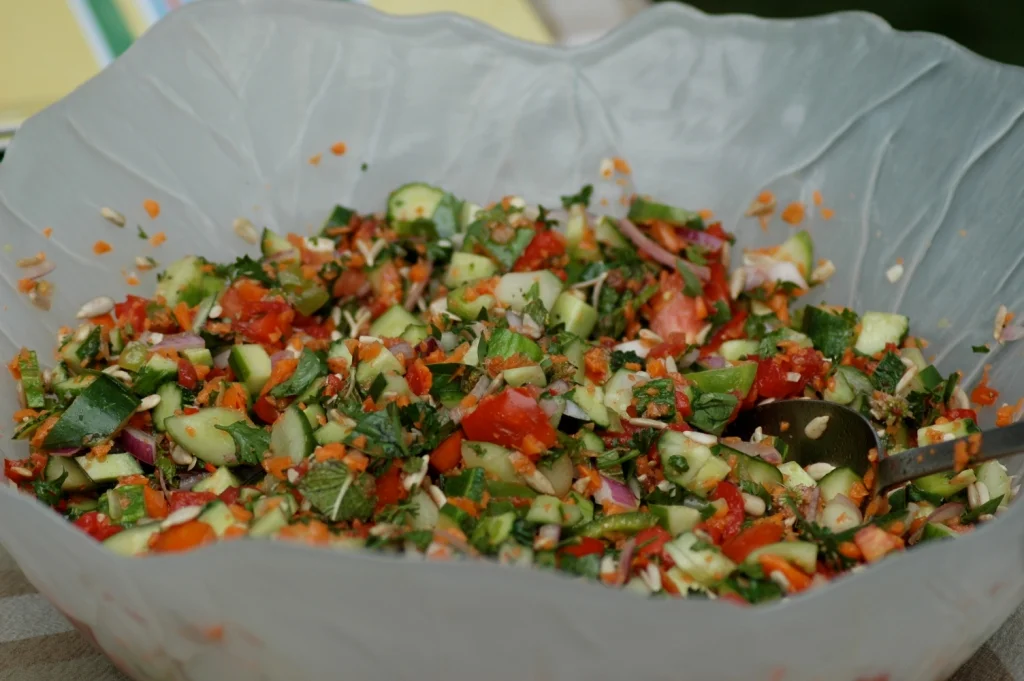
EAT TO LIVE
Eating, fermenting and preparing dishes with fresh vegetables is essential for healthy bodies and minds. Over the years we have developed or found recipes that are now long-time favorites of the farm.
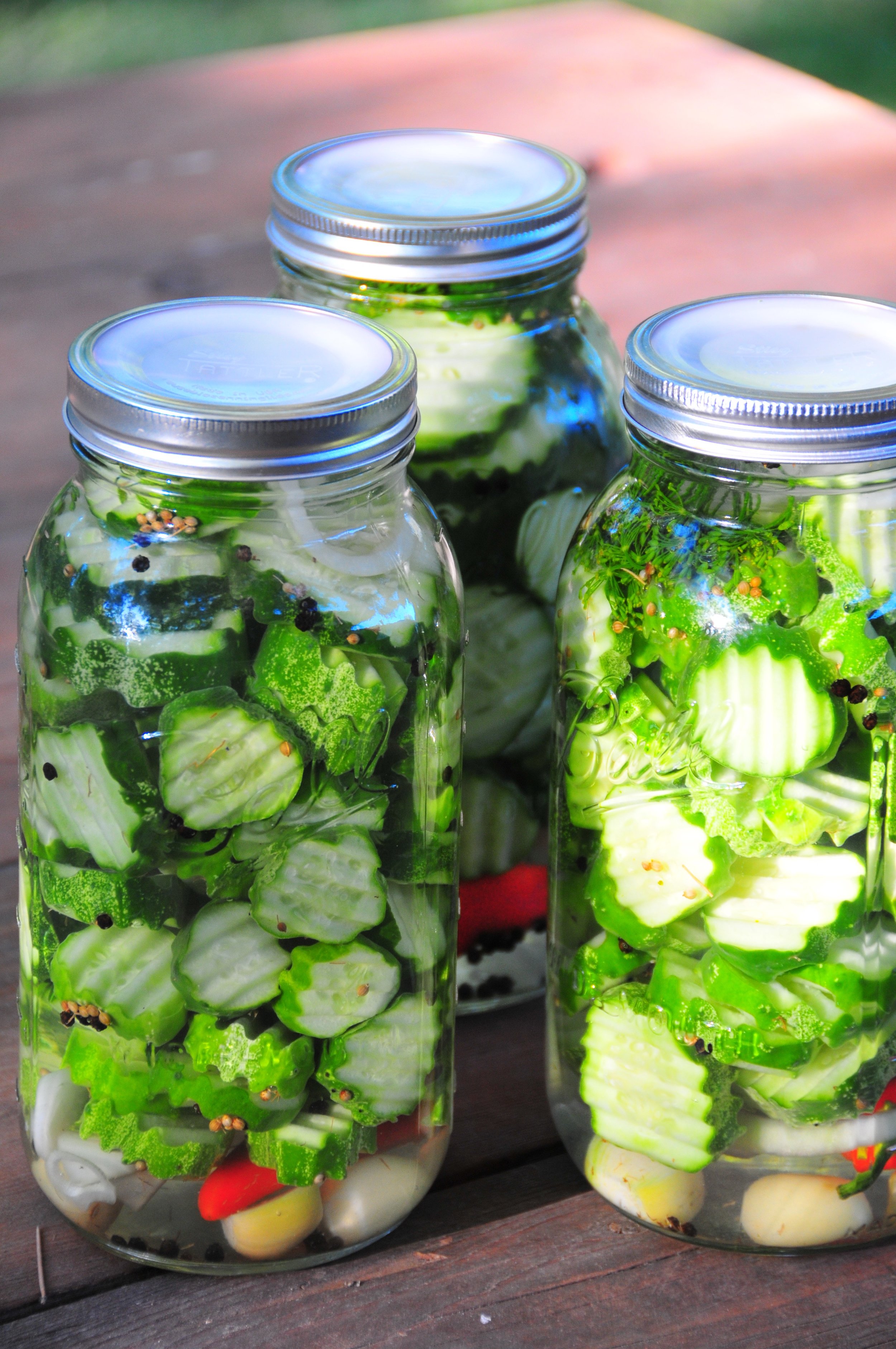
Refrigerator Pickles
Easy and Tasty
(Recipe: Goupil-Puckett Family)
The Brine
4 cups water, 1/2 cup white vinegar, 4 tablespoon sea salt
3 portions of the brine will fill about 5 large canning jars (quart) prefilled with the cucumbers and spices. If you are using half gallon jars, it will require 6 cups of liquid brine to fill the 8 cup jar when filled with cucumber slices.
The Cucumbers and spices
Whole or sliced pickling cucumbers, Whole garlic cloves, Fresh dill, Black pepper corns, Onion
Directions: Step 1. Stir water, vinegar, and sea salt together in a saucepan over high heat. Bring to a boil; remove from heat and cool completely. Step 2. Put garlic cloves (2 per jar), dill, pepper corns and onion at the bottom of the canning jars. Stuff the jars with the cucumbers and put some more fresh dill right on top. Pour cooled vinegar mixture over cucumber mixture. Seal container with lid and refrigerate for at least 3 days.
Tip: If your cucumbers are not firm, then soak them in ice water for a few hours before pickling.
Tempeh Salad with Farm Vegetables
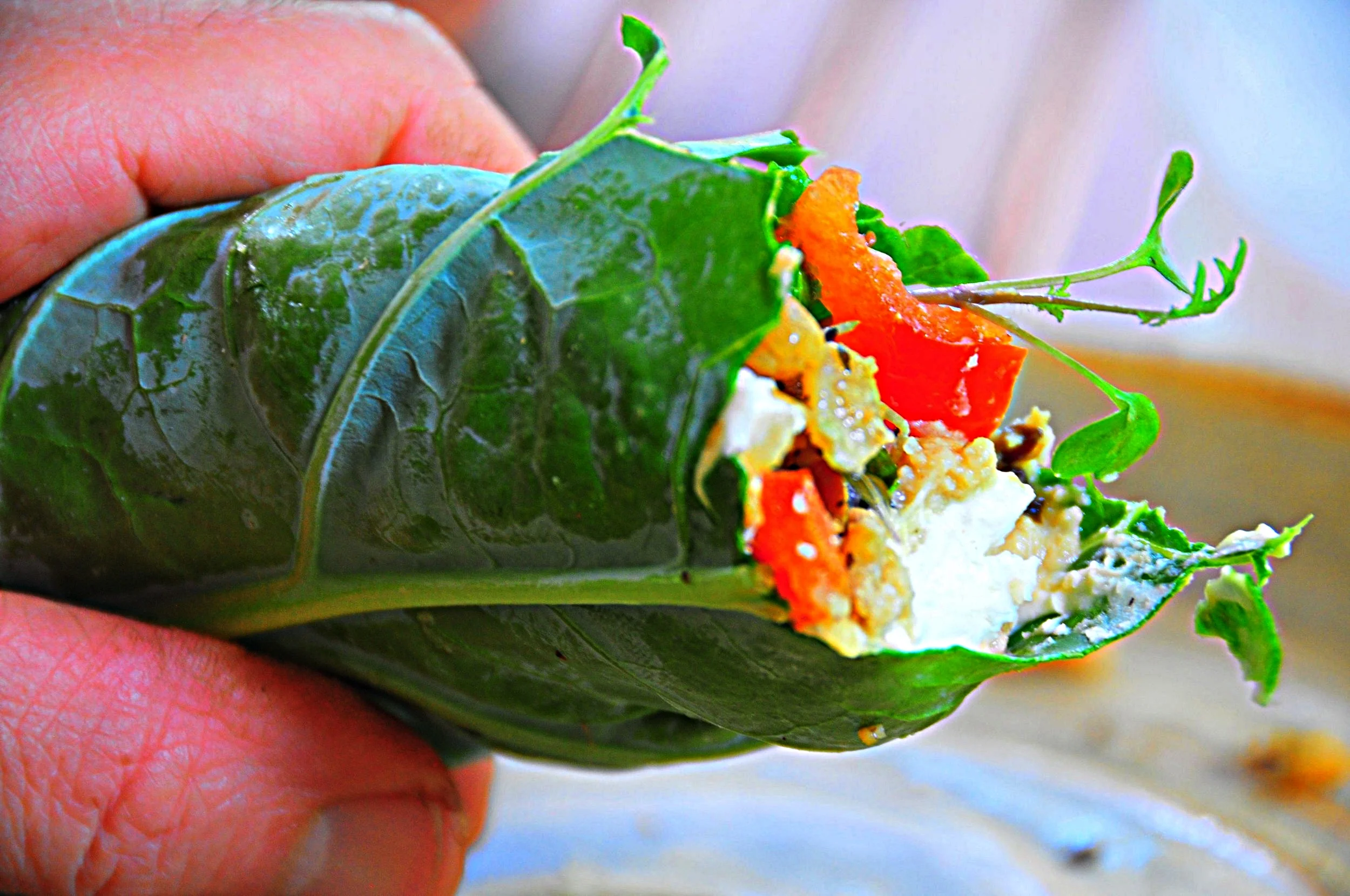
Excellent served in a collard leaf!
(Recipe: our dear friend, Chris Coen, developed the recipe and we tailored it to use our farm vegetables)
Ingredients: Tempeh, Peanut oil, Oregano, Basil, Fennel seed, ground, Salt/tamari, Pepper, Mayonnaise, Fresh lemon juice, Carrots-diced, Celery-diced, Onion-minced, Red pepper-diced, Fresh parsley-minced. Collard leaves for the wrap. A little bit of cream cheese down the center vein of the leaf is quite nice.
Directions: Crumble tempeh. Season to taste with herbs, salt, and pepper. Coat lightly with peanut oil and spread on a baking tray. Broil, stirring frequently, until crisp and golden. Cool. Toss seasoned, browned tempeh with carrots, celery, onions, and parsley. Brighten up with splashes of fresh lemon juice and tamari. Moisten with mayonnaise. Adjust seasonings. Chill (if time). Serve in collard leaf garnished with microgreens.
COLLARDS
Collard leaves make excellent wrappers for various fillings and can be used either cooked or raw. A friend and chef, Linda Hoffman, turned us onto wrapping food into collard leaves. It was life changing. We now eat bean burritos wrapped in raw collard leaves. It will not disappoint.
Left over stir fry with rice is also excellent wrapped up in a collard leaf and then dipped in a peanut sauce (Linda also shared this recipe).
PEANUT OR ALMOND SAUCE
3TBSP Tamari, 2TBSP Apple cider vinegar, 1 clove garlic, 1/4 cup creamy peanut or almond butter, 2tsp Thai Kitchen red curry paste, juice of half a lime, 2TBSP hot water.
Combine all ingredients (except the water) in a blender and process on high to blend. Add enough hot water to create a creamy sauce to the consistency you prefer.
Vegetable shareholder, Katie Langin, was recently inspired by this suggestion and made a collard wrap breakfast burrito of scrambled egg, grated cheddar cheese made from goat milk, and hot sauce. Next time she might try shallots (cooked with egg), avocado, tomatoes, microgreens, some fried potatoes and hot pepper. The possibilities are endless.
Mustardy Kale Salad with Roasted Sweet Potato and Apple
This recipe will quickly become a favorite and regular meal and is a great way to enjoy your kale. In fact, longtime shareholders Mike and Michelle eat this dish a few times a month! Hands on time = 20 minutes with total time of 35 minutes. Tip: To make wide-shaved pecorino or parmigiano reggiano pieces, use a carrot peeler.
The simple recipe in pdf format is attached here: Mustardy Kale Salad with Roasted Sweet Potato and Apple. Enjoy
WHY EAT KALE? Cruciferous vegetables--broccoli, kale, cauliflower, cabbage--contain glucosinolates (metabolites with sulfur) which combine with carcinogens in our colons and evacuate them from our bodies. High consumption of these cruciferous vegetables can reduce risk of colorectal cancer by eighteen percent.
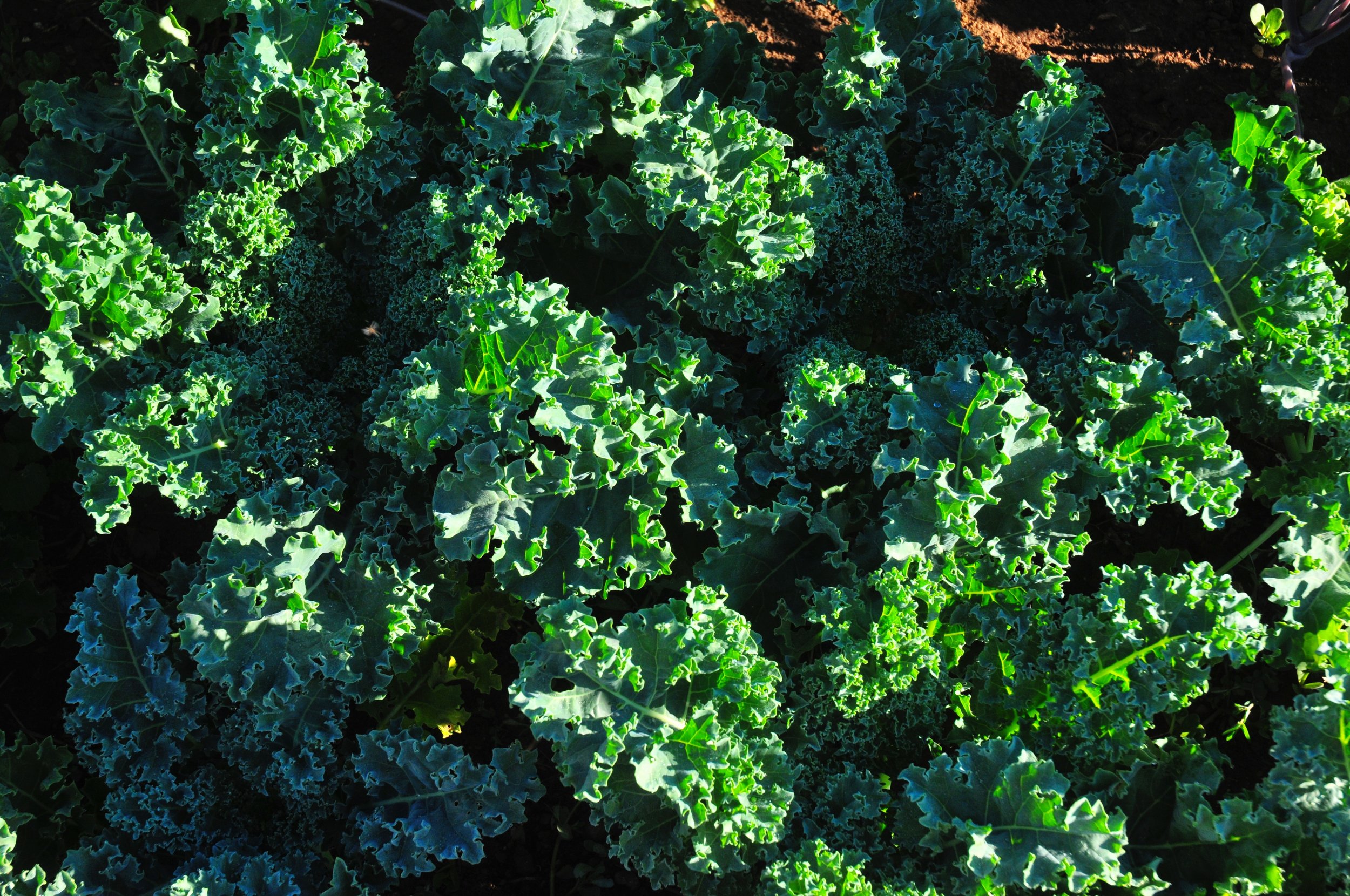
Curly Leaf Kale. One of several kale varieties grown at Sunspot Urban FArm. Lovingly Grown without pesticides or herbicides.
Roasted Kohlrabi
Initially folks do not know what to do with kohlrabi but once they find a favorite recipe they are hooked. We find that shareholders typically like it raw for snacking (especially Amy Swan) or as kohlrabi slaw on top of fish tacos. Here is another way to enjoy it. Give roasting a try!
Peel off any hard skin and cube the entire kohlrabi into 3/4-1 inch cubed pieces. In a mixing bowl, toss cubes with olive oil (coconut oil is also fine), salt, pepper, and several cloves of garlic until the kohlrabi is evenly coated. Pour into a baking dish. Bake at 425 degrees F until tender. This takes about 20 minutes. Ideally, you will want it to be slightly browned on several of the edges so midway through cooking mix the cubes about in the pan. Enjoy. This is a wonderful side dish.
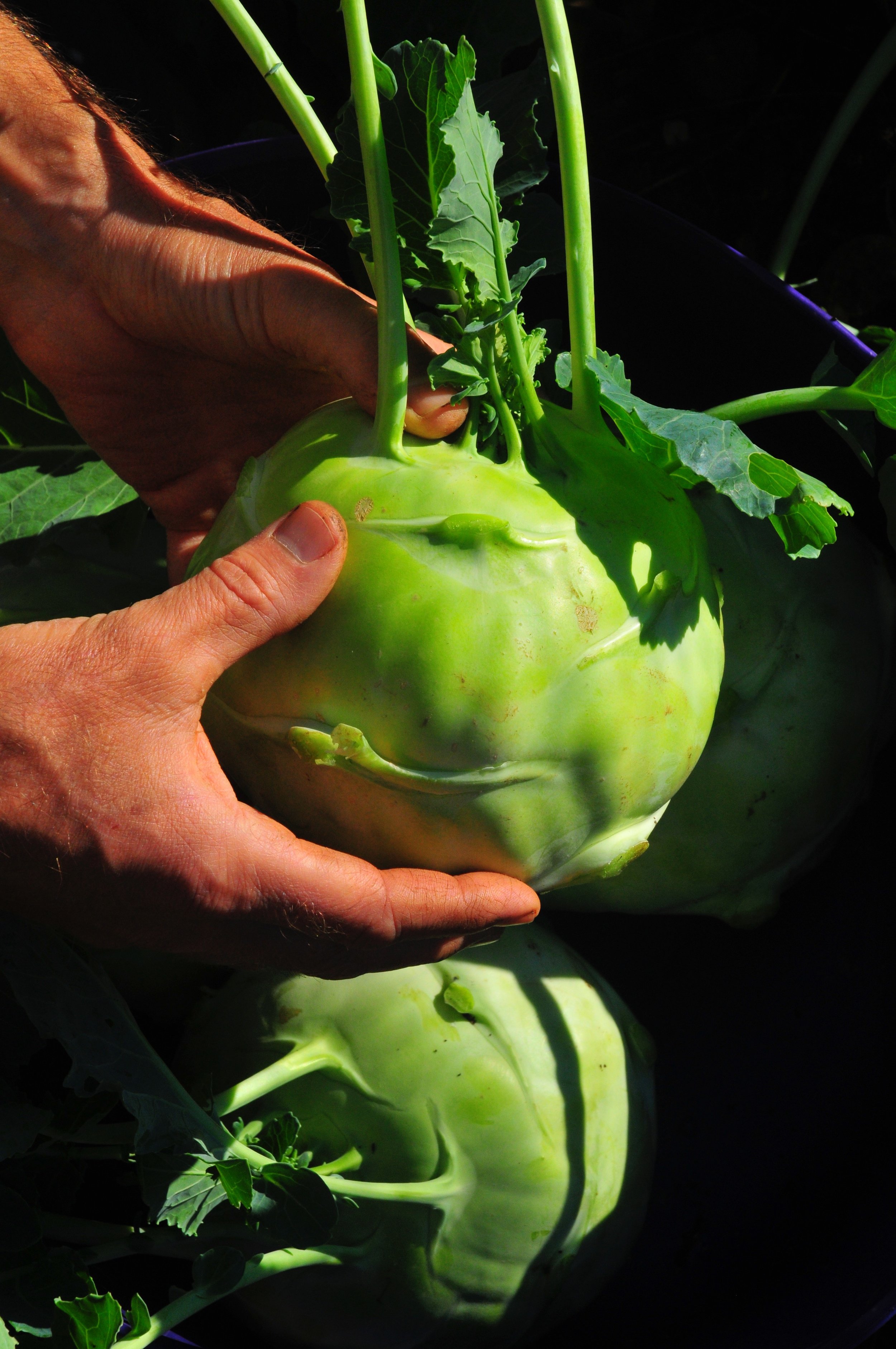
There are so many ways to enjoy kohlrabi, pick one!
Raw, cut into chunks or sticks for snacking
Kohlrabi-slaw as a topping for fish tacos
In soup
Roasted
Ideas and preparation can be found at a website called kitchn.
Cherry Tomato, Bocconcini, and Zucchini Pie
Longtime friend and vegetable shareholder Erin Muths first made this delicious rustic pie for us years ago, using several farm share vegetables: basil, cherry tomatoes, zucchini, and shallots. This is now a regular late summer/early fall dish for us. Make the crust first because it requires 30 minutes of chilling. For the filling, don’t skimp on the lemon zest—it makes the flavors zing! We have successfully made this a Gluten Free Recipe (just use your favorite gluten free pie crust or substitute the wheat flour with a paleo flour mix). This recipe is well worth the time. The recipe with photo is here.